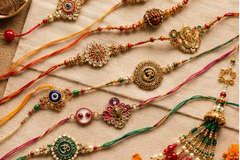
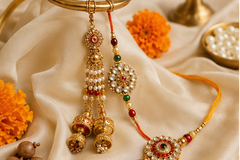
Raksha Bandhan often begins much before the rakhi is tied. The puja thali is arranged, sweets are placed on the table, and someone in the family quietly reminds everyone to wait for the right time. Hence, these nostalgic moments are just as meaningful as the celebration itself. Performing the Raksha Bandhan Pooja brings together tradition, prayer and family. Thus, the festival becomes a heartfelt way to seek blessings and celebrate the bond between siblings. In this guide, we will go through deeper insights into this auspicious pooja:
What Is the Significance of Raksha Bandhan Pooja?
For most families, the raksha bandhan vidhi is the heart of the festival. It brings siblings together to celebrate a bond that grows stronger over time.
- It is a time to pray for each other's health, happiness and well-being.
- Other than tying the rakhi, brothers and sisters exchange blessings and good wishes.
- The pooja also brings families together, especially when everyone has been caught up with work, studies, or daily life.
- Many of these customs have been followed for generations and continue because every family adds its own memories to them.
- Beyond tradition, the ceremony is a reminder to appreciate the people who have always been part of your life.
What Items Are Needed for the Raksha Bandhan Puja Thali?
Before the ceremony begins, the puja thali is arranged with these traditional items.
- A rakhi to tie around your brother's right wrist.
- Roli or kumkum for the tilak.
- Akshat (unbroken rice grains), placed over the tilak after it is applied.
- A diya for the aarti.
- Fresh flowers.
- Sweets or chocolates to share.
- A small bowl of water.
- Incense sticks.
- Many families also keep a gift ready to exchange after the ceremony.
How Do You Choose the Right Muhurat and Timing for Raksha Bandhan Pooja?
The timing of the pooja is not chosen at random. Most families wait for an auspicious period mentioned in the Hindu calendar before beginning the ceremony.
Follow the Shubh Muhurat
The shubh muhurat announced for Raksha Bandhan is generally regarded as the best time for the rituals. Even then, some people check the Panchang themselves. Others simply follow the timings shared by their local temple.
Avoid the Bhadra Period
Traditionally, the rakhi is not tied during Bhadra. Families wait until this period has passed and then begin the pooja at the recommended time.
Plan Everything in Advance
Raksha Bandhan is easier to enjoy when everyone is ready before the muhurat begins. Setting up the thali and arranging the sweets while waiting for the family to gather helps the ceremony unfold without hassle.
What Is the Step-by-Step Raksha Bandhan Vidhi?
There isn't one fixed way to perform the ceremony. The order may change slightly from one family to another, but these are the rituals most people follow on Raksha Bandhan.
Get the Puja Thali Ready
Before anyone sits for the pooja, the thali is prepared with the rakhi, roli, rice, diya, sweets, flowers and other essentials. After everything is in place, the diya is lit, and the ceremony begins.
Begin with a Prayer
Many families start by offering prayers to Lord Ganesha. Others first bow before their family deity. It is simply a way of seeking blessings before moving to the main rituals.
Tie the Rakhi
Only after the prayers is the rakhi tied on the brother's right wrist. Some families recite the traditional mantra. Others prefer a silent prayer.
Finish the Ceremony
Sweets are offered first, followed by gifts. By then, the formal rituals are over and the rest of the day usually turns into a family gathering filled with food, conversation, and photographs.
How Do You Tie the Rakhi and Exchange Sweets and Gifts?
After the tilak and aarti are complete, the sister then ties the rakhi around her brother's right wrist. Also, she offers him sweets and wishes him well. The brother accepts the rakhi, gives her a gift and promises to stand by her whenever she needs him. You might feel that it is a small ritual, but often the most emotional part of the day.
How Does the Raksha Bandhan Pooja Differ Across India?
The meaning of Raksha Bandhan remains the same across the country, although the way people celebrate it can look quite different from one region to another.
- In North India, the day generally centres around tilak, aarti, rakhi tying, and sweets.
- Rajasthan is known for the Lumba Rakhi tradition, where married women also tie a decorative rakhi for their sisters-in-law.
- Along the Maharashtra coast, Raksha Bandhan falls on the same day as Narali Purnima, so both festivals are observed together.
- Some South Indian families combine the occasion with regional religious ceremonies or the sacred thread ritual.
- Beyond these customs, every household has its own recipes, prayers and family traditions that make the celebration personal.
Conclusion
The rituals may take only a short time, but the memories often last much longer. Even when your family follows every traditional step or keeps the ceremony simple, the Raksha Bandhan pooja is all about making time for one another. There is an exchange of blessings and celebration of a relationship that continues well beyond the festival itself.