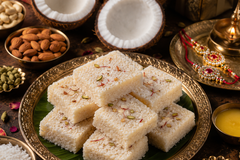
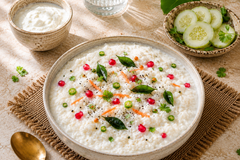
You have probably seen a bowl of panchamrit alongside other offerings if you have ever been part of a Janmashtami celebration. It is served during prayers, offered to deities and shared among devotees. This sacred mixture has been part of Indian traditions for generations. The panchamrit recipe is special because it does not rely on complicated ingredients or elaborate preparation.
Panchamrit takes its place among the offerings during Janmashtami when prayers begin, and devotional songs fill the background. And once you learn the meaning behind the ingredients, that simple bowl starts to feel a lot more significant.
Religious Significance Of Panchamrit During Janmashtami
Janmashtami is a night filled with devotion, joy and the stories of Lord Krishna that have been passed down through generations. Each ritual has its unique significance. Among these traditions, preparing panchamrit holds a cherished place.
It may look simple, but it plays an important role in the festivities. One of the most adored ceremonies of Janmashtami is Abhishek. Here, Lord Krishna's idol is washed ritually. Panchamrit is presented to show devotion and reverence towards Lord Krishna during this holy ceremony. Family members usually come together and recite prayers while the ritual goes on. It becomes a very personal and spiritual experience.
- It is considered a holy and pure offering to the almighty God.
- All the ingredients used signify something positive and nurturing.
- It is a way of expressing gratitude to the divine power.
- It is carefully prepared with sincere faith rather than formality.
Once the prayer rituals are over, it is distributed among family, friends and guests as the prasad. Getting to taste even a spoonful of panchamrit is a blessing for many worshippers. It is not just about the ingredients. It is about the blessings and goodwill that come with it.
Traditional Panchamrit Ingredients and Their Meaning
One reason panchamrit ingredients hold such importance is that each component symbolises a positive quality or blessing.
- Milk signifies purity, nourishment and sacrifice.
- Curd symbolises prosperity, strength and abundance.
- Honey states unity and harmony since it is produced by the combined effort of honeybees.
- Ghee represents positivity, spiritual growth and divine energy.
- Sugar or Mishri symbolises happiness, sweetness and joy in life.
Many households also add-
- Chopped almonds
- Cashews
- Pistachios
- Tulsi leaves
- Raisins
- Saffron strands
The combination serves to improve not only the taste but also the religious significance of the preparation. The mixture thus becomes a holy one that brings good fortune, luck and prosperity.
Now that we understand the symbolism behind each ingredient, it is time to prepare this cherished offering.
Step-by-Step Panchamrit Recipe Preparation
Making panchamrit is wonderfully simple and takes only a few minutes.
Ingredients
- Milk
- Fresh curd
- Honey
- Ghee
- Mishri or sugar
- Chopped almonds
- Chopped cashews
- Raisins
- Saffron strands (optional)
- Tulsi leaves
Method
- Begin by taking a clean bowl reserved for devotional preparations.
- Pour the milk into the bowl.
- Add the fresh curd and gently whisk until both ingredients combine smoothly.
- Stir in the honey and mix carefully.
- Add the ghee and continue stirring so that it blends evenly into the mixture.
- Add mishri or sugar and stir until dissolved.
- Mix in the chopped almonds, cashews and raisins.
- Soak the saffron threads in a spoonful of warm milk and then put them into the bowl.
- Finally, it's time to put the Tulsi leaves over the mixture as a holy offering.
Tips For Balancing Sweetness and Consistency
Every family has its own version of panchamrit. This makes this preparation adaptable.
- Chilled milk usually gives panchamrit a more pleasant and refreshing feel.
- If you don't like it overly sweet, add a small amount of honey and taste along the way.
- Many households still prefer mishri because it brings the familiar flavour people associate with traditional panchamrit.
- There's no need to rush the mixing. A gentle stir helps everything blend together nicely.
- A splash of milk can maintain the right consistency if it starts feeling a bit heavy or thick.
How Panchamrit Is Served As Prasad During Festivals
Once the prayers are over, panchamrit is distributed among all as prasad. Irrespective of whether the panchamrit is distributed in a small bowl, spoon or tiny cup, everybody gets a share of this divine recipe.
This is one of the most-awaited parts of the celebration for many devotees. Getting panchamrit feels like taking home a blessing. It creates a sense of togetherness, gratitude and joy among family members and fellow devotees.
Conclusion
Panchamrit is much more than a mixture of five ingredients. It is one of those traditions that has passed through generations. Making a traditional panchamrit recipe at home is often about more than following a ritual. If you are in search of the authentic ingredients, then you can shop from one of the reliable online sites in the UK, Gayatri Stores.
The significance lies in its ability to unite people with simplicity. The concept of panchamrit still holds importance because of its spiritually rich symbolism, faith and shared celebrations with its wholesome ingredients and deep spiritual significance.