Types of Recipes
Here are the kinds of Indian recipes:
Meal Recipes (Breakfast, Lunch, Dinner)
These form the basics of daily cooking, providing you with filling dishes for different times of the day. They range from quick breakfasts to elaborate dinner preparations.
Snack Recipes (Quick Bites, Appetisers)
Snack recipes are light and easy to prepare, perfect for in-between hunger or entertaining guests. They include fried, baked, or no-cook options.
Dessert Recipes (Sweet Dishes, Baked Goods)
Desserts introduce a sweet finish to meals and include a variety of traditional and modern treats. Additionally, they can be simple or indulgent depending on the occasion you are having them.
Beverage Recipes (Drinks, Smoothies)
These recipes focus on refreshing or comforting drinks that complement meals or stand alone. These consist of both hot and cold options.
Occasion-Based Recipes (Festive, Party Food)
Prepared for celebrations and gatherings, these recipes are often richer and more elaborate. They highlight special ingredients and presentation styles.
Ingredients and Kitchen Essentials
Let us have a look at the basic items you must have in your kitchen and pantry:
- Grains and staples: Basics like rice, wheat flour and lentils are the foundation of everyday meals.
- Spices and seasonings: Add flavour, aroma, and depth to dishes, making them more vibrant and balanced.
- Oils and fats: Used for cooking and enhancing taste, including options like vegetable oil, butter, or ghee.
- Fresh vegetables and fruits: Provide nutrition and natural sweetness to a variety of recipes.
- Proteins (pulses, dairy, meat): Essential for balanced meals and give you more satiating and wholesome dishes.
- Herbs and garnishes: Used to add a finishing touch to dishes with freshness and visual appeal.
- Cooking pans and pots: Basic utensils that are required for purposes like frying, boiling and sautéing.
- Knives and cutting tools: These are necessary for safe and efficient preparation of ingredients.
- Measuring tools: Make sure that there is accuracy in the quantity of ingredients for proper cooking results.
Step-by-Step Cooking Methods
This stepwise process will guide you when you are cooking dishes from Indian cuisine:
Step 1: Preparation and setup
First, you have to start by reading the recipe completely and gathering all ingredients and tools. Then, wash, chop and measure everything in advance so the cooking process stays smooth and organised.
Step 2: Cooking and finishing
Follow the sequence carefully, paying attention to heat levels, timing, and texture. Taste along the way and make small adjustments to the seasoning before finishing the dish.
- Control heat properly: Use low, medium, or high heat as required to avoid undercooking or burning.
- Follow timing closely: Each step has a purpose, so avoid rushing or delaying key stages.
- Use the right technique: Methods like sautéing, boiling, or roasting affect flavour and texture.
- Stir and monitor: Keep an eye on the dish to ensure even cooking and consistent results.
Quick and Easy Recipes for Beginners
In case you are a novice, the following recipes will be really helpful:
- Vegetable Poha: A fast and healthy breakfast recipe using puffed rice, veggies, and mild spices.
- Masala Omelette: A simple recipe using eggs with some onions, tomatoes, chillies and seasonings.
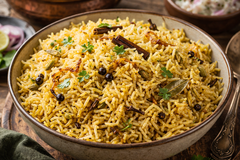
- Jeera Rice: Cumin-flavoured rice cooks easily, which can be used as a base for several dishes.
- Simple Dal Tadka: Cooked lentils tempered with spices, offering a comforting and nutritious option.
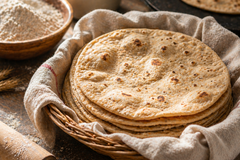
- Chapati Rolls: Soft flatbreads filled with vegetables or protein for a quick yet satisfying meal.
Healthy Recipe Options
You can make the following at home easily:
- Vegetable Khichdi: A wholesome one-pot dish made with rice, lentils, and vegetables, easy to digest and nutritious.
- Moong Dal Chilla: A protein-rich savoury pancake made from ground lentils, which is ideal for a light meal.
- Grilled Paneer Salad: Fresh vegetables combined with grilled paneer for a balanced and filling option.
- Oats Upma: This one is a fibre-rich twist on traditional upma using oats for a healthier breakfast.
- Steamed Idli: Soft, fermented rice cakes that are low in oil and gentle on the stomach.
- Sprouts Salad: A nutritious meal made of sprouted legumes, vegetables and subtle seasoning.
Tips for Better Cooking Results
Here are some expert tips for you:
- Prep ingredients in advance: Having everything ready saves your time and keeps the process swift.
- Maintain the right temperature: Cooking at the proper heat makes sure that the texture is fine and there are no chances of burning.
- Taste as you cook: Keep on adjusting the seasoning as you are cooking for better flavours.
- Use fresh ingredients: Fresh produce enhances the taste and quality of the dish.
- Follow measurements carefully: Accurate quantities are often necessary for consistent results.
- Avoid overcrowding the pan: It gives ingredients space to cook evenly and develop flavour.
- Tidy up as you work: Helps you keep your work area clean and clutter-free.
Meal Planning Ideas
Here are some suggestions for your meal planning process:
Plan Weekly Menus
Firstly, plan out your weekly menu in advance in order to save your valuable time and avoid any confusion at the last minute. Include a mix of simple and slightly elaborate dishes to keep meals interesting.
Balance Nutrition
Make sure that every meal consists of a good mix of grains, proteins and vegetables. This helps maintain variety while supporting a healthy and satisfying diet.
Prep Ahead
Chop vegetables, prepare dough, or cook basic components in advance to make daily cooking quicker and more convenient.
Reduce Waste
Use leftover ingredients creatively and plan portions carefully to avoid food wastage while keeping meals efficient.
Common Cooking Mistakes to Avoid
Let us go through the errors people usually make while cooking:
- Not reading the recipe fully: Missing steps or ingredients can result in confusion during cooking.
- Incorrect measurements: Too much or too little of an ingredient can affect taste and texture.
- Overcrowding the pan: Prevents proper cooking and stops ingredients from browning evenly.
- Using the wrong levels of heat: Excessively high heat can burn your food. Low heat, on the other hand, might leave it undercooked.
- Skipping prep work: Skipping preparing the ingredients can suddenly disrupt the cooking flow.
- Overcooking or undercooking: Mistakes related to time management could also hamper the taste of a dish.
- Ignoring seasoning balance: All the seasonings together can make flavours taste out of proportion.
Storage and Reheating Tips
Proper storage and reheating can maintain the taste and freshness of your cooked food:
- Use airtight containers: Store cooked food in sealed containers to maintain freshness and prevent contamination.
- Cool before storing: Allow food to cool down before putting it inside the refrigerator to reduce condensation.
- Refrigerate promptly: Store leftovers within a few hours to keep them safe and fresh.
- Reheat evenly: Use a pan or microwave and stir or flip to ensure heating is proper.
- Add moisture if needed: Add some water while cooking or place a lid during the process.
- Avoid repeated reheating: Reheat only the portion you need to keep the taste and quality intact.