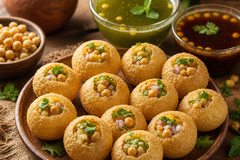
Ingredients Used for Roti
Let us have a quick look at the ingredients you will need to make rotis bread:
- Whole wheat flour (atta): The primary ingredient that gives roti its earthy flavour and nutritional value.
- Water: This is used to bind the flour into a dough. When water is added correctly, you get the right softness and pliability.
- Salt (optional): Enhances the taste. However, many traditional recipes tend to skip it.
- Oil or ghee (optional): Adds softness and keeps the roti tender for longer.
- Dry flour (for dusting): Prevents sticking while you are rolling the dough to maintain shape during preparation.
Dough Preparation and Resting Tips
Here are some expert tips for the same:
- Use the right water ratio: Add water gradually while you are mixing to form a soft dough that is neither too sticky nor too stiff.
- Knead thoroughly: Knead for 8-10 minutes until the dough becomes sufficiently elastic and bounces back to your touch.
- Apply light pressure: The base of your palm has to be used while kneading to develop gluten, which helps in making soft rotis.
- Avoid over-flouring: Adding too much dry flour during kneading can make the dough dense and the rotis hard.
- Add a little oil if needed: A small amount of oil or ghee can elevate the softness and prevent the dough from feeling too dry.
- Cover the dough: It must always be covered with a wet cloth or lid to keep it moist.
- Rest the dough: Let it rest for at least 20-30 minutes to relax the gluten and to make rolling easier.
- Check texture after resting: Finally, the dough should feel softer and more pliable before you start rolling.
Step-by-Step Method to Make Chapati
The following steps will help you make the perfect bread and rotis:
Step 1: Prepare the dough
In a large bowl, begin by combining whole wheat flour and a pinch of salt if you want. Gradually add water while mixing to bring everything together into a soft dough. Knead it well for about 8–10 minutes until it becomes smooth and pliable. Cover and let it rest for 20–30 minutes so it softens further.
Step 2: Divide and shape
After it has rested, divide the dough into small yet equal portions. Now, roll each portion between your palms to form balls and flatten them. Then, lightly dust the dough with some flour so that it does not stick to the kitchenware.
Step 3: Roll the chapati
With the help of a rolling pin, roll every ball into a thin and even circle. Keep the thickness similar so it cooks well and puffs properly. Avoid pressing too hard while you are rolling it.
Step 4: Cook in a hot pan
In this step, heat a tawa or flat pan on medium-high heat. Place the rolled chapati on the hot surface, and when bubbles appear, flip it. After this, cook the other side until light brown spots start appearing.
Step 5: Puff and finish
Now, gently press the chapati or expose it briefly to direct flame to help it puff. You can finally remove the roti and keep it warm before serving.
Cooking Techniques
Here are some insights on how to make rotis at home:
Cooking on Tawa
- In the first step, preheat the tawa on medium-high heat until it is evenly hot before placing the rolled chapati.
- Place the chapati gently and let it cook until small bubbles form on the surface.
- Flip once the underside develops light brown spots, ensuring even cooking.
- Press lightly with a cloth or spatula to help it cook through without drying out.
- Ultimately, avoid low heat since it can make the chapati hard instead of soft.
Flame Puffing Technique
- After partially cooking on the tawa, transfer the chapati directly onto an open flame.
- Allow it to puff up as steam builds inside, which will create a soft and airy texture.
- Turn quickly using tongs to avoid burning and ensure even puffing.
- Remove it immediately just after they are fully puffed and lightly charred.
- Now, keep the cooked chapatis covered to retain their warmth and softness.
Common Mistakes to Avoid
Here are the most common errors made by people while they are making rotis:
- Using too much or too little water can make the dough stiff or sticky, making it too hard to handle.
- You should not skip proper kneading. This makes the chapatis dense and chewy, instead of making them soft.
- Not allowing the dough to rest makes rolling difficult and affects the texture.
- Rolling uneven circles can cause some parts to remain undercooked.
- Cooking on low heat dries out the chapati rather than keeping it soft.
- Overusing dry flour while rolling leads to a dry finish.
- Delaying serving without covering causes chapatis to lose moisture quickly.
Serving and Pairing Ideas
You can have rotis in the following ways:
Everyday Pairings
Chapati pairs beautifully with comforting dishes like dal, vegetable sabzi, and rich curries, making it a staple for daily meals. Its soft texture helps scoop up gravies and enhances every bite.
Light and Quick Meals
Use chapati as a base for wraps and rolls by adding fillings like paneer, chicken, or sautéed vegetables for a quick, satisfying option.
Serving Tips
Serve chapatis hot, brushed lightly with ghee if preferred, and keep them covered in a cloth or container to retain softness and warmth until ready to eat.
Variations
You can make the following kinds of rotis and parathas at home:
| Type | Description |
|---|
| :---: | :---: |
|---|
| Chapati | A soft, everyday flatbread made with whole wheat flour, cooked on a tawa and sometimes finished with light ghee for added softness. |
|---|
| Phulka | A lighter version of chapati that is cooked on a tawa and then puffed directly on the flame without any oil, giving it a soft, airy texture. |
|---|
| Plain Paratha | These are made by layering the dough with oil or ghee and folding it before rolling, which results in a slightly crisp and flaky texture. |
|---|
| Stuffed Paratha | Firstly, the dough is filled with ingredients like potatoes, paneer, or vegetables. This variation is relatively thicker and often served with yoghurt or pickles. |
|---|