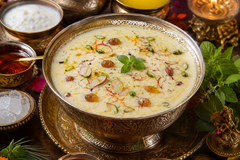
Curd rice is a traditional Indian dish prepared by mixing cooked rice with curd and finished off with a simple tempering of mustard seeds and curry leaves. It is believed to help with digestion after a heavy lunch. The dish needs only a few ingredients and barely any preparation time, which is probably why it has survived generations of changing food habits. Beyond its simplicity, curd rice is valued for the probiotics in curd and the easy energy that rice provides, making it as practical as it is comforting. This blog looks at why it continues to be a preferred comfort food across generations and more.
Why is Curd Rice Commonly Enjoyed During Summer Months
A lot of people reach for Indian curd rice once the temperature climbs because of the following reasons:
- Curd naturally cools the body, which makes it welcome in the heat.
- It has probiotics that help the gut, something the body needs more of when the weather turns humid.
- It sits lighter on the stomach than a spicy curry ever could.
- It goes well with a spoonful of pickle, which many people crave once summer sets in.
- There is barely any cooking involved, which is a relief when standing near a stove feels unbearable.
- It has plenty of water content, so it helps keep you hydrated through the day.
Regional Variations of Indian Curd Rice
The rice and curd stay constant, but the tempering and little additions change from state to state. Here are a few variations found across India.
South Indian Curd Rice
Curd rice is called thayir sadam in the southern parts of India. People here tend to slightly mash the rice before the curd goes in. A tempering of mustard seeds, curry leaves, and dried red chillies is poured over just before it is served.
Andhra Style Curd Rice
In Andhra homes, a splash of milk often goes in along with the curd, giving it a richer, creamier feel. Green chillies and ginger are added too, for a bit of a kick.
Karnataka Style Curd Rice
Known locally as mosaru anna, this version sometimes gets grated cucumber or a few pomegranate seeds mixed in. It gives the curd rice recipe a slightly different texture compared to other versions.
Maharashtrian Curd Rice
Here, the tempering usually includes asafoetida and mustard seeds, along with a pinch of sugar. That touch of sweetness balances out the tang of the curd rather nicely.
Traditional Tempering Ingredients Used in Curd Rice Recipe Preparations
The tempering is really what makes or breaks the curd rice recipe. It is a quick step, but it changes the whole dish. Here are a few options to try:
Mustard Seeds
These go into hot oil first. Once the mustard seeds start to crackle, you know the tempering has properly begun.
Curry Leaves
Curry leaves follow the mustard seeds into the pan. They only need a few seconds to release that familiar aroma.
Dried Red Chillies
Broken into smaller pieces, dried red chillies bring a gentle heat without making the dish spicy. They also give the tempering a nice bit of colour.
Ginger
Some households like to add finely chopped ginger for a bit of warmth. It shows up most often in the Andhra style of curd rice.
Serving Curd Rice with Pickles, Papad, and Accompaniments
Curd rice is rarely eaten on its own. There is almost always something on the side, and honestly, that side dish often makes the meal.
Pickles
A spoon of mango or lime pickle next to curd rice works surprisingly well. The sharp, tangy pickle cuts through the mildness of the curd.
Papad
A crisp papad adds the crunch that curd rice does not have on its own. The contrast between soft rice and crisp papad is part of the appeal.
Fried or Roasted Chillies
In some homes, whole green chillies are fried in oil and served alongside the rice. They are meant to be nibbled on between spoonfuls, not eaten all at once.
Vegetable Fritters
Leftover fritters sometimes make their way onto the plate too, especially during festivals. They add a savoury crunch that pairs nicely with the soft rice.
Why Curd Rice Continues to be a Comfort Food Across Generations
Curd rice continues to be a preferred comfort food for people of different ages due to the following reasons:
- It reminds people of home, in a way few other dishes manage to.
- It does not demand much cooking skill, so almost anyone can make it.
- It works well as a full meal by itself, no side dishes required.
- It suits kids and elderly family members just as easily.
- It gives leftover rice a second life instead of letting it go to waste.
- It packs well, so it turns up often in lunchboxes and on train journeys.
Conclusion
Curd rice has held its place in Indian kitchens simply because it works. It cools you down, settles your stomach, and asks very little of you in return. Every region has shaped it a little differently, yet the heart of the dish stays the same. That mix of ease and comfort is probably why people keep making it, meal after meal, year after year. For those in the UK looking to recreate the recipe at home, good quality rice is available online through Gayatri Stores.