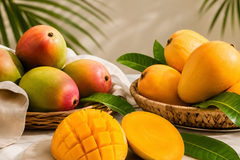
You might have seen Dominican mangoes in supermarkets without really knowing much about them. If you've been thinking recently, “What are Dominican mangoes?”, they're simply mangoes grown in the Dominican Republic. Thanks to the country's warm climate, they develop plenty of flavour before they're picked. Different varieties have their own level of sweetness, texture, colour and size, and that is why many people enjoy trying them throughout the season. In this guide, we will learn more about them:
What Makes Dominican Mangoes Different?
Part of what makes Dominican mangoes so enjoyable is the range of flavours and textures you get across the different varieties.
- Naturally sweet with a fresh, fruity taste that never feels excessively rich.
- Juicy flesh makes them enjoyable to eat on their own.
- Some varieties are almost fibre-free. Others have a little more texture.
- The sweetness can range from mild to rich, depending on the variety.
- Many are picked for fresh eating, although they also work well in smoothies, fruit salads, and desserts.
- Different growing regions and every variety of Dominican mangoes have their own character.
What Are the Main Types of Dominican Mangoes?
The types of Dominican mangoes may come from the same country, but each variety varies in terms of flavour, texture and appearance.
- Banilejo - Sweet, juicy, and highly aromatic.
- Mingolo - Mild flavour with soft, juicy flesh.
- Keitt - Large mango with a sweet, refreshing taste.
- Kent - Rich sweetness with very little fibre.
- Tommy Atkins - Firm flesh with moderate sweetness and good shelf life.
How Does Each Variety of Dominican Mangoes Differ?
If you're wondering what Dominican mangoes are really like, comparing the different varieties is the easiest way to see how they vary in size, colour, and sweetness.
| Variety | Size | Colour | Sweetness |
|---|---|---|---|
| Banilejo | Medium | Yellow with a light red touch. | Very sweet and aromatic. |
| Mingolo | Medium | Green turning yellow. | Mild to moderately sweet. |
| Keitt | Large | Mostly green, even when ripe. | Sweet with a fresh flavour. |
| Kent | Large | Green-yellow with red patches. | Rich, naturally sweet. |
| Tommy Atkins | Medium to large | Red, green, and yellow. | Moderately sweet with firm flesh. |
When Are Dominican Mangoes Available in the UK?
If you're planning to buy them at their best, knowing when they arrive in UK stores makes all the difference.
- Dominican mangoes usually start appearing during spring.
- You will often find the best selection from late spring into early summer.
- Availability can vary from one supermarket to another.
- Some weeks, there are plenty to choose from, while at other times stock is more limited.
- Imported fruit depends on harvests and shipping schedules.
- Popular varieties may sell out quickly once the season begins.
After the season ends, finding Dominican mangoes becomes much less common in the UK. Thus, checking your local fruit shop can sometimes be useful, even when supermarkets have limited stock.
What Are the Best Ways to Eat Dominican Mangoes?
Once they have become perfectly ripe, Dominican mangoes go well in all kinds of meals.
| How to Enjoy Them | Why It Works |
|---|---|
| Fresh slices | A simple way to enjoy their natural sweetness and juicy texture. |
| Fruit salads | Add colour, freshness and a sweet tropical flavour. |
| Smoothies | Blend easily with yoghurt, milk or other fruits. |
| Breakfast bowls | Pair well with oats, granola or Greek yoghurt. |
| Mango salsa | Goes nicely with grilled fish, chicken or tacos. |
| Homemade desserts | Great for cheesecakes, puddings, mousses and ice cream. |
Conclusion
After you understand what are Dominican mangoes, it becomes easier to appreciate why they are so popular. With several varieties having different flavours, textures and sweetness, this mango brings something for everyone’s taste buds and recipes. Whether you enjoy them fresh, blend them into smoothies, or use them in desserts, Dominican mangoes bring plenty of versatility to the table.