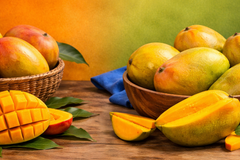
How to Ripen Mango at Home
There is something quietly magical about bringing home firm, green mangoes and watching them transform into sweet, fragrant delights. Maybe you picked them early or bought them slightly unripe. Knowing how to ripe mangoes properly can make all the difference to their flavour and texture. You can enjoy perfectly ripe mangoes with a few simple tricks. This blog will guide you through easy methods, quick tips and storage advice to help you get it right every time.
How to Ripen a Mango
- Many are confused about how do you ripen a mango. To ripen a mango at home, you just need the right conditions. Ethylene gas is released by mangoes, which helps them ripen over time. You can take advantage of this by following a few simple steps.
- Put the mango on a kitchen counter away from direct sunlight and let it sit at room temperature. In a few days, it will become softer and smell sweet.
- Don't put unripe mangoes in the fridge too soon. Cold temperatures slow down the ripening process a lot.
- Turn the mango every now and then. To keep it from getting soft spots and to make sure it ripens evenly, turn it every day.
Best Ways to Ripen a Mango Fast
A lot of people want to know a proper answer to the question how do you ripen a mango quickly. If you don't have a lot of time and can't wait a few days, there are ways to speed up the ripening process without losing flavour. These tricks keep ethylene gas inside and speed up the ripening of the mango.
- Those wondering how do you ripen mangoes can put the mango in a paper bag and fold the top loosely. This keeps the natural gases inside and speeds up ripening by one to two days.
- Put a banana or an apple in the bag with the mango. These fruits let out more ethylene gas, which speeds up the ripening of the mango.
- Wrapping the mango in newspaper makes it warmer, which speeds up the ripening process. However, you should check it often to make sure it doesn't get too ripe.
- If you are wondering how do you ripen mangoes faster, place the mango in a slightly warm area of your kitchen because warmth enhances the natural process.
How to Tell if the Mango is Ripe or Not
Figuring out if a mango is ripe is less about rules and more about paying attention to small signs. You do not need to overthink it, just trust your senses a bit.
- Pick it up and press it lightly with your fingers. A ripe mango will feel slightly soft, but not mushy. If it feels rock hard, it needs time. If your finger sinks in too easily, it is probably overripe.
- Smell the mango near the stem. A ripe one usually has a sweet, almost floral smell. If there is no smell at all, it is not ready yet.
- Not all mangoes turn bright yellow or orange. Some stay green even when they are perfectly ripe, so colour can be misleading.
- You might notice a few tiny wrinkles or slightly smoother skin when it is ripe. That is normal. Just avoid mangoes with too many black spots or ones that look shrivelled.
How to Store Mangoes
Once your mangoes are ripe, you will want them to stay that way for as long as possible. A few simple habits can help you avoid wasting them.
- If you are not eating them right away, put them in the refrigerator. This slows down ripening and keeps them good for about four to five days.
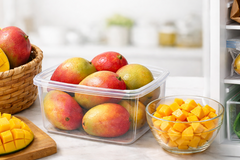
- If you have already sliced one, keep the pieces in a sealed container in the fridge. Try to finish them within a day or two so they still taste fresh.
- It might seem harmless, but stacking mangoes can bruise them. And once they bruise, they spoil faster.
- If you have too many, just peel and cut them into pieces and freeze them. They are great for smoothies or even as a quick snack later.
Conclusion
Ripening mangoes at home is not complicated at all. It just takes a little patience and knowing what to look for. Once you get used to it, you will be able to tell almost instantly when a mango is ready. And honestly, there is nothing quite like cutting into a perfectly ripe mango and getting that sweet, juicy bite. It makes the wait completely worth it.