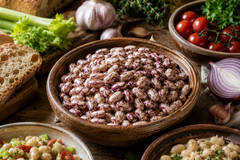
Fresh fruits and vegetables lose quality quickly without proper storage methods at home. Some produce needs cold temperatures. Others stay better outside refrigerators completely. Hence, a few simple storage habits can help ingredients remain crisp, flavourful and usable much longer. Also, proper organisation reduces unnecessary food waste and saves grocery expenses regularly.
Be it leafy greens, bananas or potatoes, every item requires different methods of handling. After you understand basic storage techniques properly, everyday cooking becomes easier. Your produce stays fresher, cleaner and ready for use throughout the week.
Why Proper Storage of Fruits and Vegetables Matters
Here are some storage habits that help fruits and vegetables stay fresher and usable for a much longer time:
Maintains Freshness and Texture
Improper storage affects texture, colour, and overall produce quality very quickly. Leafy greens wilt faster, whereas fruits become soft under inappropriate storage conditions. Thus, correct storage keeps vegetables crisp and fruits firm for a long time.
Helps Reduce Food Waste
Spoiled fruits and vegetables contribute heavily to food waste in households regularly. This is due to the fact that proper storage slows spoilage. Alongside, unnecessary grocery expenses are reduced significantly.
Protects Nutritional Value
Fresh produce loses nutrients gradually when stored in an incorrect manner. Moreover, when temperatures are optimal, they preserve vitamins, moisture and complete freshness much better.
Improves Meal Planning Convenience
Fresh ingredients lasting longer make daily cooking easier during busy weekdays consistently. Organised storage also helps families identify produce before it spoils completely.
Prevents Cross-Ripening Problems
Some fruits release gases that speed up the process of ripening in nearby vegetables. It is essential to separate produce properly so as to reduce the chances of early spoilage. Additionally, there are no unwanted texture changes later on.
Storing Fruits and Vegetables in the Refrigerator
Here are some more insights on how you can store them:
Use Crisper Drawers Properly
Most refrigerators contain separate crisper drawers for fruits and vegetables. Vegetables prefer mildly higher humidity levels to prevent drying and wilting quickly. Apart from this, fruits usually need lower humidity since excessive moisture encourages spoilage faster.
Store Leafy Greens Carefully
Leafy greens spoil rapidly when there is no moisture control during periods of refrigeration. For example, wrap spinach, lettuce, or coriander inside paper towels loosely before storing. The paper absorbs extra moisture and helps leaves stay crisp for prolonged periods.
Keep Produce Dry Before Storage
Do not wash fruits and vegetables before refrigerating them for several days unnecessarily. The reason is that excess water encourages mould growth and brings about a soft texture much earlier. Wash produce only before cooking or eating.
Use Breathable Storage Containers
Perforated bags and breathable containers improve airflow around refrigerated produce. This airflow reduces trapped moisture and prevents unpleasant smells later on. Furthermore, you must avoid tightly sealing vegetables inside completely airtight plastic bags for a purpose.
Separate Strong-Smelling Produce
Onions, garlic and some of the fruits release strong odours when they are undergoing refrigeration. Hence, you must store them separately from delicate produce like berries or leafy greens. As a result, the flavours stay cleaner and prevent unwanted transfer of smell later on.
Storing Produce at Room Temperature
Some fruits and vegetables stay fresher outside refrigerators under cool and dry conditions.
| Produce | Best Storage Method | Reason |
| Bananas | Store on the countertop away from sunlight. | Cold temperatures darken banana skins quickly. |
| Potatoes | Keep inside cool, dark baskets. | Refrigeration changes the potato's texture and taste. |
| Onions | Store in airy mesh baskets. | Good airflow prevents moisture buildup and spoilage. |
| Garlic | Keep in dry, ventilated containers. | Prevents sprouting and soft texture development. |
| Tomatoes | Leave stem-side down on counters. | Refrigeration reduces flavour and natural juiciness. |
| Avocados | Store outside until fully ripe. | Helps proper ripening before refrigeration later. |
| Pumpkins | Keep in cool, dry storage areas. | Moisture causes faster rotting and mould growth. |
| Sweet Potatoes | Store in dark, ventilated spaces. | Cold conditions affect texture negatively. |
| Citrus Fruits | Keep in fruit bowls temporarily. | Short-term room storage maintains better flavour. |
| Apples | Store separately in cool corners. | Prevents faster ripening of nearby produce. |
Fruits and Vegetables That Should Not Be Stored Together
Certain fruits release gases that cause nearby vegetables and fruits to spoil faster. Given below is a table that will help you realise which fruits and veggies to keep away:
| Fruit or Vegetable | Should Not Be Stored With |
| Apples | Leafy greens, cucumbers. |
| Bananas | Potatoes, avocados. |
| Tomatoes | Lettuce, broccoli. |
| Avocados | Cucumbers, leafy greens. |
| Onions | Potatoes. |
| Potatoes | Apples, onions. |
| Peaches | Broccoli, cabbage. |
| Pears | Spinach, kale. |
| Mangoes | Cucumbers, carrots. |
| Citrus Fruits | Bananas. |
Tips to Extend Shelf Life and Freshness
A few simple storage habits can keep produce fresher and usable much longer.
- Do not wash your fruits or veggies until you intend to eat or prepare them.
- Throw away any rotten produce since it might accelerate the process of spoilage among other fruits or veggies.
- Use breathable bags instead of tightly sealed plastic storage containers.
- Herbs should be kept within jars containing small amounts of clean water.
- Leafy greens should be kept in paper towels. They can absorb any extra moisture well.
- Use older produce first so that you can derive the best flavour and nutrients.
- Avoid overcrowding refrigerator drawers because airflow remains extremely important there.
- Keep produce away from direct sunlight and excessive kitchen heat.
Common Storage Mistakes to Avoid
Avoiding a few common mistakes can greatly improve the freshness at home.
- Refrigerating bananas and tomatoes too early affects their flavour and texture badly.
- Storing wet vegetables directly encourages mould and quicker spoilage problems later.
- Mixing ethylene-producing fruits with sensitive vegetables might minimise freshness much more quickly.
- Overcrowded drawers of refrigerator drawers block airflow. This, in turn, can trap excessive moisture.
- Ignoring spoiled produce allows the decay to spread to nearby fresh items.
- Using airtight containers for everything sometimes causes trapped moisture buildup quickly.
- Keeping potatoes and onions together often leads to faster sprouting issues.
- Ultimately, leaving herbs uncovered can result in wilting and dryness in just a few days.
Conclusion
Therefore, it is evident that proper storage methods keep fruits and vegetables usable far beyond their expected timelines naturally. Some small habits inside kitchens often prevent unnecessary spoilage, waste and repeated grocery spending. Certain aspects mentioned above also have a decisive role in keeping produce fresh. Also, having a clear picture of which items need colder temperatures or countertop storage makes cooking easier throughout busy weeks. Fresh produce can retain better texture and possess nutritional value when handled correctly from the time you purchase it.