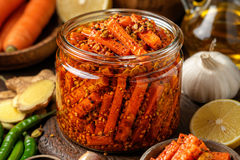
A comforting bowl of vegetable korma feels like a rich, colourful and deeply satisfying meal. This dish is truly exciting because of the flexibility of vegetables that can be added according to taste and season. Potatoes bring softness, carrots add sweetness, and peas give freshness. However, cauliflower, beans and bell peppers create texture and colour.
Even some people love to add paneer, mushrooms or broccoli to make it more flavourful. The dish becomes a delicious and restaurant-like treat after the veggies absorb the creamy gravy made from cashews and aromatic spices.
Ingredients Required For Vegetable Korma
Fresh vegetables, creamy elements and aromatic masalas blend together to create a rich and filling curry.
- Cauliflower florets
- Chopped carrot
- Cubed potato
- Green peas
- Chopped beans
- Sliced onion
- Chopped tomatoes
- Cashews
- Fresh cream or yogurt
- Oil or ghee
- Salt
- Bay leaf
- Green cardamoms
- Small cinnamon stick
- Cloves
- Coriander powder
- Turmeric
- Garam masala
- Red chilli powder
- Chopped coriander leaves
- A few roasted cashews
You can easily get the above ingredients from one of the reliable online stores in the UK: Gayatri Stores.
Preparing Vegetables and Base Gravy
Start by washing and chopping all the vegetables into medium-sized pieces. All the pieces should be evenly cut so that everything cooks nicely together without turning too soft. Many people also lightly steam or parboil the vegetables first because it helps them stay perfectly soft inside the gravy.
Meanwhile, the base gravy slowly starts building all the flavour. Onions should be cooked until golden and aromatic. Then, tomatoes, ginger, garlic and spices are added one after another.
Finally, the mixture is blended with soaked cashews to create that smooth and rich gravy that makes vegetable korma comforting and delicious.
For The Base
- Heat a little oil in a pan.
- Put sliced onions and saute until golden.
- Add tomatoes and cook until soft.
- Toss in cashews for extra richness.
- Allow the mixture to cool slightly.
Blend everything into a smooth paste with a splash of water. This creamy onion-cashew mixture gives vegetable korma its signature restaurant-style texture.
Spices and Flavour Profile
The flavour of vegetable korma is gentle, aromatic and delectable. Korma focuses on warmth and depth rather than fiery heat.
Whole spices like cinnamon, cardamom and cloves infuse the oil with fragrance right from the beginning. That first crackle in hot oil sets the tone for the entire dish.
What Makes the Flavour Unique?
- Cashews bring creaminess to the dish.
- Tomatoes offer a subtle sourness.
- Garam masala provides spiciness.
- Coriander powder brings an earthy flavour.
- Cream or yogurt helps temper the spices.
Some home cooks also add coconut milk for a milder South Indian touch. One of the most enjoyable things about this curry is how balanced it feels.
Every bite carries sweetness, spice, creaminess and aroma together without any single flavour overpowering the others.
Cooking Method Of Vegetable Korma
Cooking vegetable korma becomes easy once the ingredients and gravy are ready. The process is simple, but each step builds flavour gradually.
Temper The Spices
Heat oil or ghee in a deep pan. Add bay leaf, cardamom, cinnamon and cloves. Saute for a few seconds until fragrant.
Add The Prepared Gravy
Pour the onion-tomato-cashew paste into the pan. Cook on medium heat until the oil starts separating slightly from the sides.
Add Ground Spices
Combine the turmeric, coriander, red chilli powder and salt. Mix thoroughly so that the spices blend properly with the sauce.
Add Vegetables
Add the cooked vegetables and gently mix them with the masala.
Simmer
Pour water according to your preferred consistency. Cover and let the curry simmer for a few minutes.
Finish The Korma
Now it is the time to add fresh cream or yogurt and give everything a gentle stir. Let the curry simmer for another minute so that the flavours mix up. Finish it off with a sprinkle of garam masala and some chopped coriander leaves.
Tips For Creamy Texture and Balance
A delicious and wholesome vegetable korma is all about balance, and a few small tricks can make a big difference.
- Blend the gravy until it turns completely smooth for a restaurant-style texture.
- Always use soaked cashews because they create a richer and creamier base.
- Cook the spices on low heat so they release flavour without becoming bitter.
- Add cream towards the end to keep the gravy smooth.
Add warm water gradually while simmering if the curry feels too thick. A pinch of sugar balances the flavours when it tastes slightly acidic.
Serving Suggestions and Pairings
A bowl of hot vegetable korma pairs well with both bread and rice dishes.
Best Pairings
- Butter naan
- Garlic naan
- Jeera rice
- Steamed basmati rice
- Lachha paratha
- Pulao
For a complete meal, serve it with onion salad, pickle and a chilled glass of sweet lassi. The creamy gravy tastes comforting during family dinners or weekend lunches.
Conclusion
Vegetable korma is one of those curries that feels comforting from the very first bite. The creamy gravy, mild spices and colourful vegetables come together in a way that feels rich but still light on the stomach.
What's nice about it is how every home can put its own little twist on it, so it never tastes the same, and that's what makes it even more enjoyable.