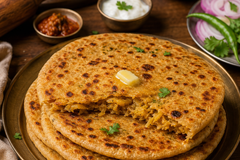
There is something comforting about a warm roti straight from the tawa. Soft, slightly smoky, and perfect with almost any meal. But for people avoiding gluten, making a good roti can feel difficult at first. The dough behaves differently. The rotis may crack or turn dry. Still, with the right flour mix and a few simple techniques, a roti gluten-free can turn out soft, flexible, and delicious. Many homes now make these rotis regularly for better digestion, gluten sensitivity, or coeliac-friendly meals. This blog will cover the ingredients needed and simple ways to keep the rotis soft.
Ingredients Required for Gluten-Free Roti
- Gluten-free flour mix
- Starch
- Hot water as needed
- Oil or ghee
- A pinch of salt
- Extra flour for dusting
Gluten-Free Flour Options
Gluten-free rotis work best when different flours are combined. One flour alone may make the roti too dry or too crumbly. Mixing flours creates better texture and softness. Many people adjust the blend depending on what they enjoy eating at home.
Rice Flour
Rice flour is usually the first flour many people try for a roti gluten-free. It feels light and simple to work with. It also cooks quickly, which makes everyday cooking easier. Still, rice flour alone can sometimes make the rotis crack a little after cooling. That is why many home cooks mix it with other flours to make the texture softer and more balanced.
Gram Flour
Gram flour, or besan, brings a lovely homemade flavour to gluten-free rotis. It has that slightly nutty taste many people already enjoy in pakoras and chillas. A little besan can make the dough feel softer and easier to handle, too. It gives the rotis a more filling texture without making them heavy. Most people do not use too much, though, because excess besan can make the rotis dense and slightly dry after cooking.
Starch Blends
This is the part many people discover after a few failed rotis. A little starch can completely change the dough. Corn starch is commonly used. It helps the rotis stay softer and more flexible. Without a little starch, the dough can become frustrating to handle. It may crack at the edges while rolling or turn dry quickly on the tawa. The good thing is you do not need much at all. Just a spoon or two can make the dough feel softer, smoother, and far easier to work with.
Mixing the Dough with Hot Water and Resting It Before Rolling
- Start by mixing all the dry ingredients in a wide bowl so there is enough space to bring the dough together comfortably.
- Add the hot water little by little instead of all at once. It gives you better control and helps the dough come together more smoothly.
- Use a spoon initially because the water will be too hot to touch.
- Once slightly cool, knead gently with your hands until soft and smooth.
- A little oil or ghee can make the dough feel softer and easier to roll.
- Cover the dough and let it rest for 15 to 20 minutes. This helps the flours absorb moisture properly.
- Knead lightly once again before rolling the rotis.
Cooking on a Tawa and Getting the Roti to Puff
- Heat the tawa properly before placing the roti on it.
- Roll the dough gently because gluten-free rotis can crack if pressed too hard.
- Keep the roti medium in thickness so it stays soft after cooking.
- Cook until small bubbles appear, then flip carefully to the other side.
- Press gently with a cloth or spatula to help the roti puff.
- Some rotis puff directly on the flame after partial cooking on the tawa.
- Avoid overcooking because gluten-free chapatis dry out quickly.
- Brush lightly with ghee while warm if you want softer rotis.
Tips for Keeping Gluten-Free Roti Soft and Pliable
- Always use warm or hot water while kneading the dough for a roti gluten-free.
- Resting the dough is important because dry flour absorbs water slowly.
- Keep the dough covered while rolling each roti.
- Cook on medium heat instead of very high heat.
- Stack the cooked rotis inside a covered container immediately.
- A small amount of oil or ghee often helps improve softness.
- Fresh rotis usually stay softer than refrigerated ones.
Serving Suggestions and Storing Leftover Rotis
- Gluten-free rotis taste best when served hot straight from the tawa.
- They go really well with simple dal, sabzi, paneer dishes or even a spicy chutney on the side.
- Some people like eating them with plain yoghurt and pickle for a quick, comforting meal.
- Even a simple vegetable stir-fry works beautifully with these rotis.
- If you have leftovers, wrap them in a clean cloth first, so they stay softer for longer.
- Store them inside an airtight container instead of leaving them open on the plate.
- Refrigerate if you plan to keep them for more than a few hours.
- Sprinkle a few drops of water on the roti before placing it on the tawa for reheating. It helps bring back some softness.
Conclusion
Making gluten-free roti can feel a little confusing in the beginning. But once you understand the flour mix and dough texture, things become much easier. After a few tries, the process starts feeling natural. Ingredients needed for gluten-free chapatis can also be easily bought online from Gayatri Stores.