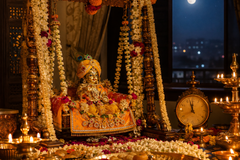
Janmashtami brings a special kind of energy to Hindu homes. The day is filled with Krishna bhajans, decorated temples, midnight prayers and a heartfelt fast for many devotees. However, fasting is not simply about skipping meals until Lord Krishna's birth is celebrated. It is a devotional act influenced by intention, discipline and traditional customs.
Knowing the basic Janmashtami fasting practices can help you follow the day with greater confidence and faith.
What Does Janmashtami Fasting Mean?
At its heart, Janmashtami upvas is an expression of devotion to Lord Krishna. The Sanskrit word upvas is commonly understood as drawing closer to the divine, so the practice goes beyond food restriction. Devotees use the day for prayer, meditation, bhajans, reading Krishna's teachings and maintaining a calm, focused mind.
Traditional observances generally begin with a sankalpa, or personal resolve, after morning rituals. The fast is then maintained through the day, with worship traditionally centred around Nishita Kaal, the midnight period associated with Krishna's birth.
Different Types of Janmashtami Fast
Not every devotee follows the same form of fasting. The choice can depend on family tradition, personal capacity and guidance from one's spiritual practice. Common styles range from very strict fasting to fruit-based options.
- Nirjala vrat- No food or water is taken during the fast. This is the most demanding form and should not be attempted casually.
- Jalahar-Water is permitted while solid food is avoided.
- Phalahar- Fruits, milk and permitted fasting foods are consumed instead of regular meals.
- Naktabhoji- A single permitted meal may be taken, usually without grains or cereals.
Traditional fasting guidance also lists milk-based and fruit-based approaches, while grain-free foods such as potatoes, sabudana and nuts are commonly used in vrat meals.
How to Do Janmashtami Fast Step by Step
Wondering how to do Janmashtami fast without getting confused by different customs? The routine is quite simple when you follow the vrat according to your family tradition and local panchang.
- Take a bath, wear clean clothes and offer your morning prayers. Take a sankalpa for the fast.
- Decide whether you will follow nirjala, phalahar or another form of vrat based on your tradition and health.
- If you are not observing a complete fast, have suitable vrat foods such as fruits, milk, nuts or sabudana.
- Spend time with Krishna naam japa, bhajans, scripture reading or quiet prayer.
- Krishna's birth is traditionally celebrated around midnight. Participate in the puja if you are comfortable staying awake.
- Check your local panchang for the parana time. When the time arrives, begin with something light before having a regular meal.
Janmashtami Fasting Rules: What to Eat and Avoid
The main food rule is simple: regular grains and cereals are generally avoided during Janmashtami fasting until parana. Traditional guidance follows grain-free fasting principles similar to those observed during Ekadashi.
Depending on your chosen vrat, permitted foods may include:
- Fresh fruits such as bananas, apples and grapes
- Milk, curd and other suitable dairy foods
- Coconut and selected nuts
- Potatoes and sweet potatoes
- Sabudana preparations
- Singhada or water chestnut flour
Avoid rice, wheat, regular flour, pulses, beans and other grain-based foods during a strict vrat. Ingredients can vary between households and regional traditions, so checking your family's customary practice is sensible.
The Right Way to Break the Fast During Parana
Parana means breaking the fast, but it is not simply a signal to start eating at midnight. Traditional Janmashtami observance may require devotees to wait until the appropriate time after sunrise, particularly when Ashtami Tithi and Rohini Nakshatra are still continuing. In certain traditions, parana may take place after Nishita Kaal instead.
Once the time to eat is permitted, you should start slowly. Food or water may be followed by a light meal. Avoid immediately eating a heavy feast after a long fast.
Spiritual and Health Benefits of Fasting on Janmashtami
The objective of fasting is basically spiritual in nature, not diet-related. The fast promotes self-discipline, devotion, concentration and increased prayer time. Stepping away from everyday eating creates more time for reflection and worship for many devotees.
From a general well-being perspective, a simple fasting routine may also encourage mindful eating and help people become more aware of their usual food habits. However, fasting is not suitable for everyone, and health needs should always come before religious strictness.
How Elderly, Unwell or First-Time Devotees Can Adapt
Vrat does not have to be a way of putting oneself to a physical test. The elderly, sick individuals, as well as individuals who are doing vrat for the very first time, can opt for a gentler form such as phalahar rather than attempting nirjala fasting.
Anyone with a medical condition, pregnancy or regular medication should seek appropriate medical advice before fasting. Fasting may not always be feasible. But one could express their devotion through praying, naam japa and worship.
Conclusion
Janmashtami fasting is ultimately about devotion, not competition. Choose a form of Janmashtami fasting rules that respects your tradition as well as your well-being, follow the local panchang for timings and keep the focus on Krishna throughout the day.
Regardless of whether you cook up a basic meal for your vrat at home or choose fasting foods from the Gayatri Store, sincerity is the core of this celebration.